
Skip to content
Mukesh
HomeProjectsSkillsApproachPathAsk
CV

Ask me about him. I'll answer and take you there.

Ask your own question
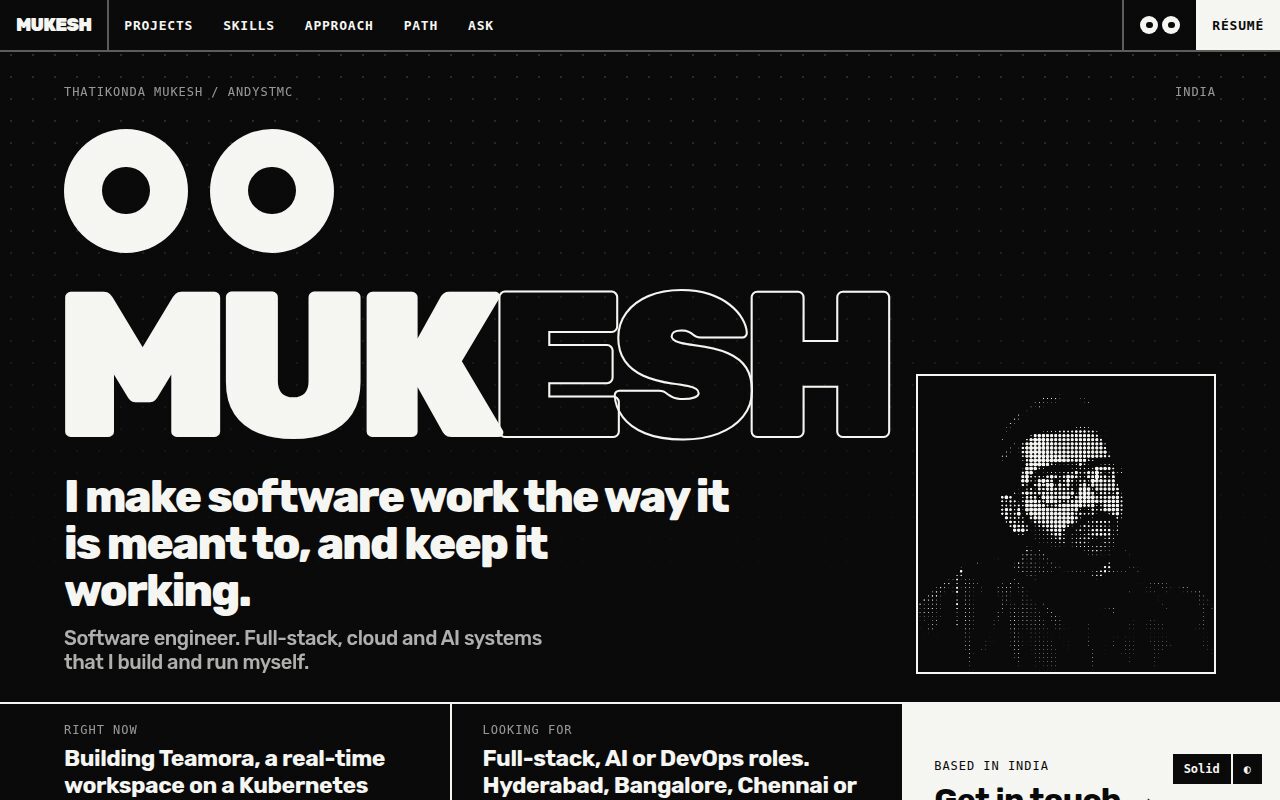
Thatikonda Mukesh / AndysTMCIndia

Mukesh

I make software work the way it is meant to, and keep it working.

Software engineer. Full-stack, cloud and AI systems that I build and run myself.

Right nowBuilding Teamora, a real-time workspace on a Kubernetes cluster I built, and Mei, an AI assistant for the Linux desktop.
Looking forFull-stack, AI or DevOps roles. Hyderabad, Bangalore, Chennai or remote. Can join immediately.
Based in IndiaGet in touch →
Java Python TypeScript Spring Boot React AWS Kubernetes LLMs PostgreSQL Go Java Python TypeScript Spring Boot React AWS Kubernetes LLMs PostgreSQL Go
Q1

What have you built?

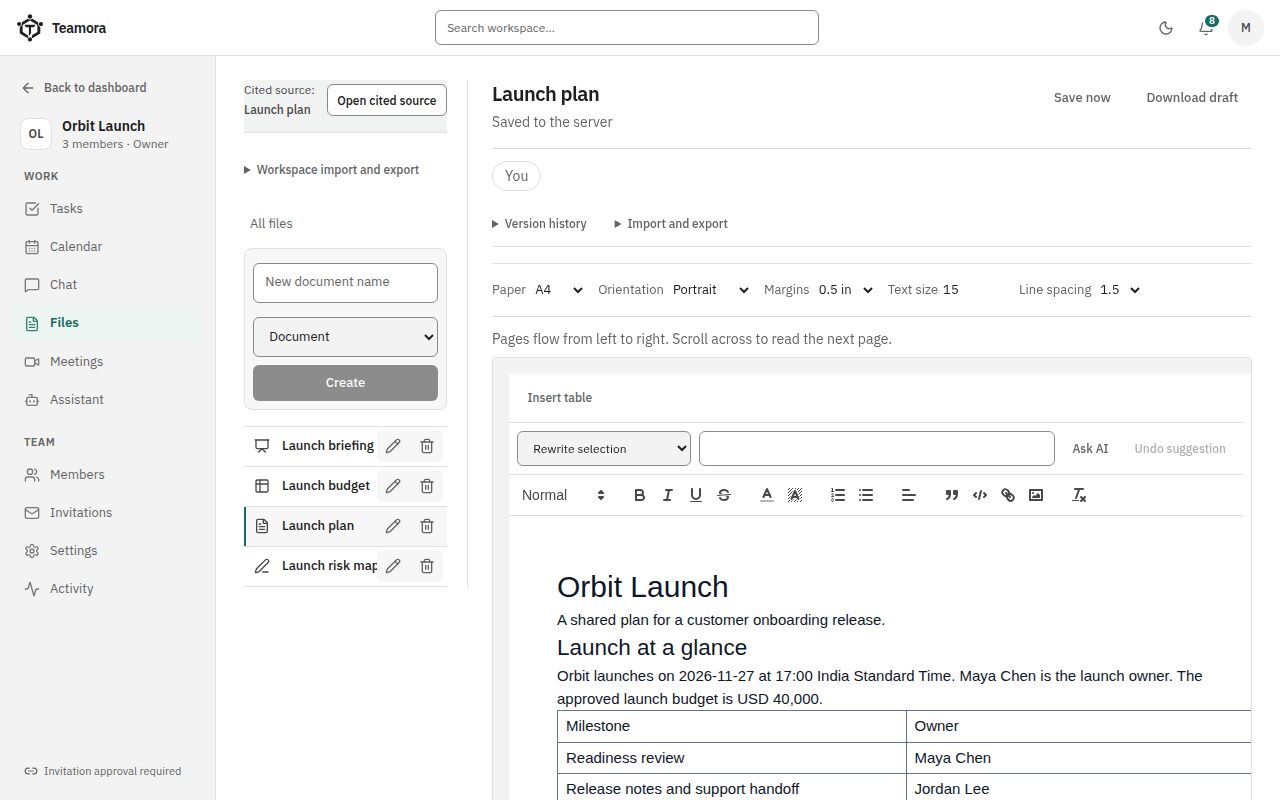
NowTeamora5 services · my own Kubernetes clusterA whole workspace, on a cluster I built.+

Documents, sheets, slides, whiteboards, tasks, chat and meetings in real time, as five Python microservices. It runs on a Kubernetes cluster on AWS that scales from zero using an operator I wrote in Go. Its assistant answers only from cited quotes and pauses for approval before acting.

Read the full story →
Teamora screenshot
Demo ▸
GitTypeScriptHTML and CSSAutomated testingReactRESTAWSDocker+42 more
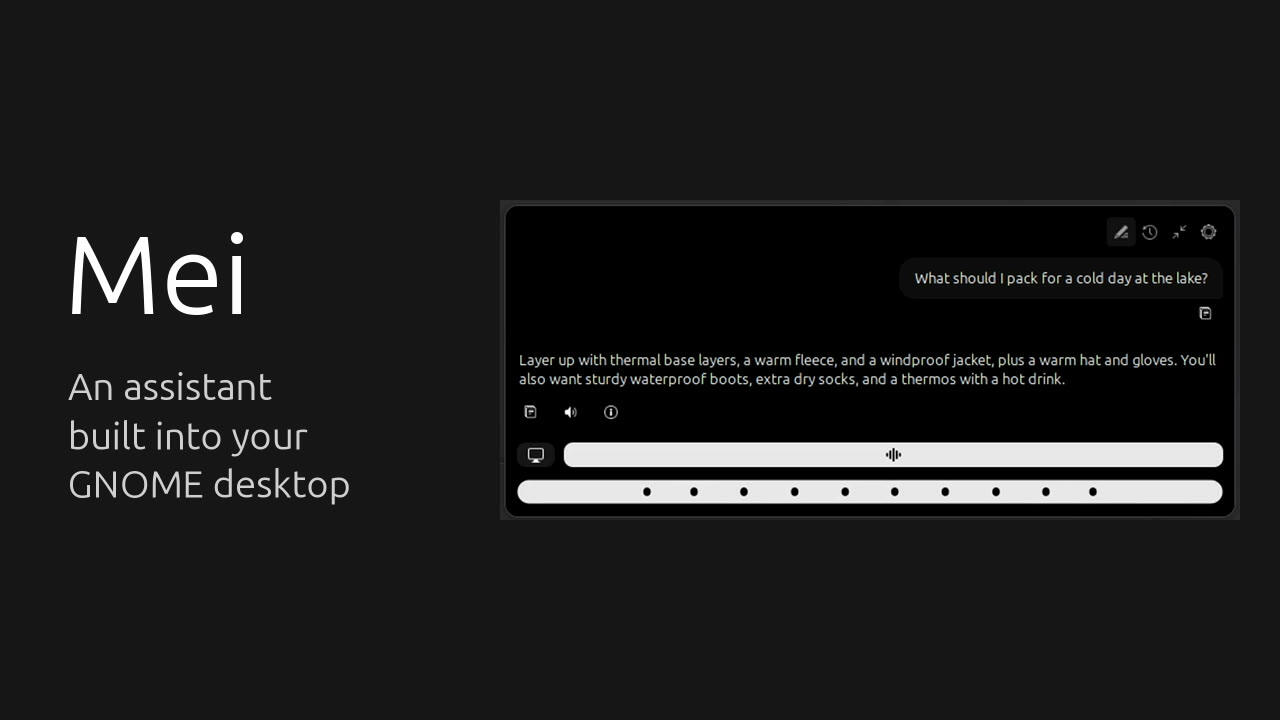
NowMeiAbout 600 automated testsAn AI assistant that lives in the desktop.+

A GNOME assistant that can work with files, apps, settings and commands, but only with your approval. The approval rule is enforced outside the model, so a malicious web page cannot talk its way past it.

Read the full story →
Mei screenshot
Demo ▸
GitTypeScriptAutomated testingLLM APIsPythonArchitecture decision recordsLinuxTool calling+12 more
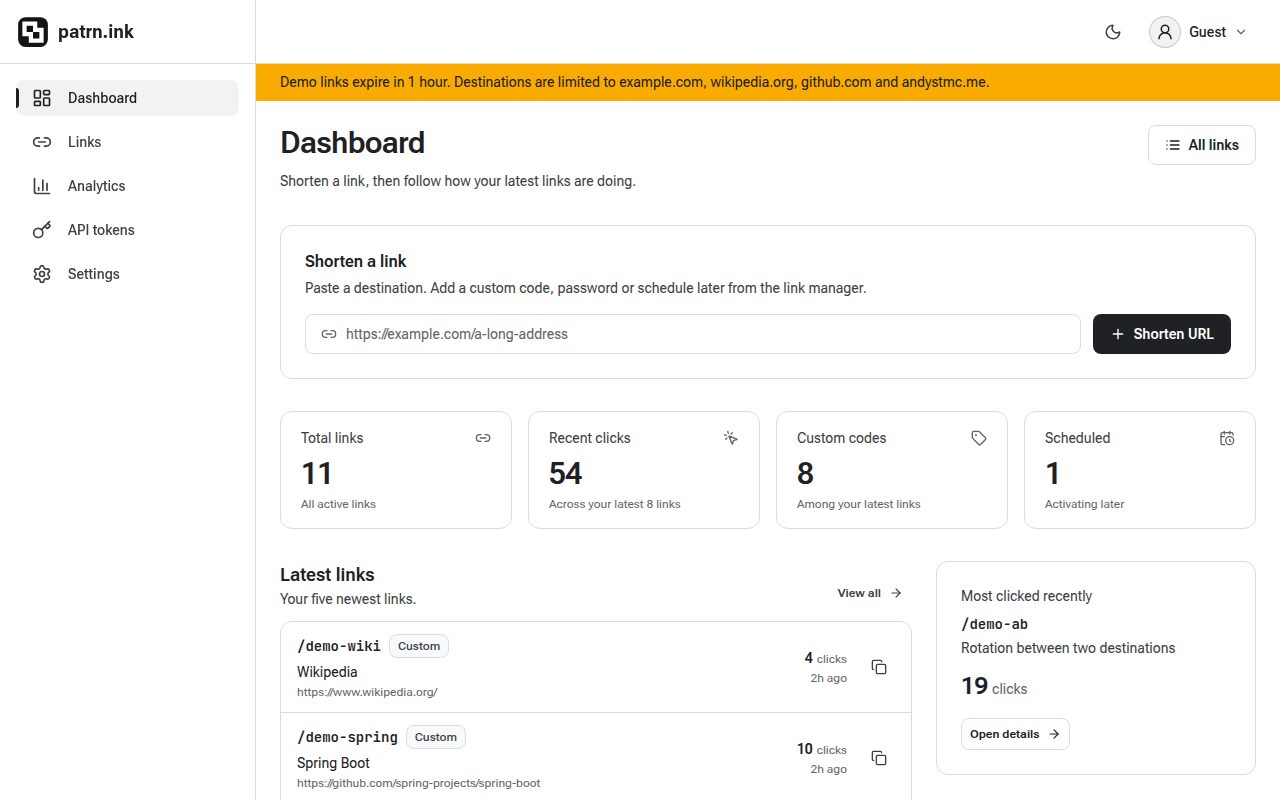
2026patrn.inkEvery change in a signed public logA link shortener you can verify.+

First built in Go with my brother, then rebuilt in Java. Every destination change is written to a signed transparency log, so anyone can check a link was not quietly redirected. Analytics store no IP addresses.

Read the full story →
patrn.ink screenshot
Demo ▸
GitTypeScriptHTML and CSSAutomated testingReactJavaRESTAWS+29 more
2026Demo platformScales from zero · no open portsServers that sleep until someone visits.+

On-demand hosting for my demos. Each app stays off until a visitor presses Launch, runs a short session, then stops itself. A Kubernetes operator I wrote in Go starts and drains the machines.

Read the full story →
Demo platform screenshot
GitAWSKubernetesOIDC federationLinuxGoDynamoDBPasskeys (WebAuthn)+4 more
2024Track Your Attendance3,000+ studentsThe app a third of my university used.+

Timetable and attendance for SRM-AP students: live class countdowns, how many classes you can skip, and how many you need to reach 75 percent.

Read the full story →
Track Your Attendance screenshot
GitTypeScriptHTML and CSSNext.jsTailwind CSSMongoDBJavaScriptFramer Motion+5 more
NowUniNeeds7 services · serving live trafficA new backend for a live app that could not change.+

A college services app built by my teammate Gowrish. I built and deployed its whole backend: a Spring Boot gateway and seven services that now serve the app's live traffic, with no change to the app.

Read the full story →
GitAutomated testingJavaRESTDockerSQLSpring BootMicroservices+16 more
NowLittle LaterNothing leaves your machineSave it now, deal with it later.+

A Chrome extension with no backend. Bookmarks, tasks, reminders and notes stay encrypted on your device, and the AI helper will not write anything until you confirm.

Read the full story →
Little Later screenshot
Demo ▸
GitTypeScriptHTML and CSSAutomated testingReactLLM APIsGitHub ActionsTool calling+7 more
2025andystmc.meYou are looking at itThis site.+

A one-page portfolio that answers what people usually ask about me, then takes their own questions. It replaced an earlier, database-backed site: everything here is typed data taken from my résumé notes.

Read the full story →
andystmc.me screenshot
GitTypeScriptHTML and CSSAutomated testingReactLLM APIsNext.jsGrounded answers+1 more
Q2

What do you actually know?

Not a list of claims. The bigger the word, the more places I have used it. Pick one or several to see where.

Languages

Backend and full-stack

Cloud, data and infrastructure

AI

Security and quality

Operations and production

Pick one or moreNothing selected
Where
  • Choose a skill above. Choose several to see where I used them together.
Q3

How do you work?

For over a year at Cognizant I kept five of Macy's financial applications running in production: more than 100 incidents and about 50 work requests.

When production breaks

The Tuesday batch that failed

Problem
A weekly batch that loads financial data for Macy's distribution centres failed one Tuesday. Nobody had changed the code.
What I found
The file server had been moved from SMB1 to SMB2. The application's Java code still spoke SMB1.
Result
I had compatibility restored so processing could resume, then changed the Java code to support SMB2 and handed it to development. A code fix, not only an escalation.

The emails that reached the wrong people

Problem
An application was sending sensitive notifications to users who should have been inactive.
What I found
Not the screen, the rules or the queries. I followed the data upstream: our copy was stale because the sync job could not reach its source through a network restriction.
Result
I raised the access request with the evidence, watched the next run, and confirmed the fix with the business users. The symptom was several layers from the cause.
6 more cases+

Duplicate records that kept breaking a load

Problem
Cost data shown to business users was incomplete. A SQL Server load was failing part-way whenever the upstream system sent duplicate transactions.
What I found
I first corrected the data with SQL. When it kept recurring, I worked with a developer through the load logic and we traced it to how records were grouped before insertion.
Result
We changed the grouping so duplicates are handled before the insert. From a repeated workaround to a permanent fix.

A nightly job waiting for someone to press Yes

Problem
Data was missing in a downstream application, and its team asked whether we had sent it.
What I found
Our data was there. I followed it stage by stage and found a scheduled job stopped at a Yes/No prompt that an unattended job cannot answer. I ran the command by hand to see it.
Result
I added the parameter that skips the confirmation, and the pipeline completed.

A restart is not a recovery

Problem
Services had stayed stopped on a server, so a weekly batch across about a dozen microservices never ran. Restarting them did not help: the system had already moved on to the next batch.
What I found
I worked out how batch dates and states were kept across several MongoDB collections and in the files the jobs generate.
Result
We realigned the missed records with the current batch, rehearsed the changes on a copy first, then applied them in production. The data reached every downstream system.

Waiting on someone else's API

Problem
Some records stopped moving through the pipeline and downstream data was incomplete.
What I found
I traced them to a stage that needs another team's API, called it directly, and found it unreachable. Their team confirmed an outage.
Result
We held the jobs so nothing incomplete went downstream. When the API returned a day later, the records continued on their own with no manual fixes.

The site that loaded but showed nothing

Problem
Users could open the application but it stayed on a loading screen.
What I found
The browser's developer tools showed server errors on some requests. Code, services and database all checked out, so I widened the search to the network.
Result
A network security policy had closed ports the servers needed. I gave the network team the addresses and ports, and access was restored.

Keeping work going while a module was down

Problem
After an upgrade, a module people used to manage project records stopped working, and rolling back did not fix it.
What I found
I read the code to learn how the module normally stores its data.
Result
For each request I ran SQL to make the change and verified every result myself, so the work continued until developers restored the module.

I also automate my own work: a log analyser I built cut a 30 to 60 minute investigation to a few minutes.

By habit

The AI asks before it acts.

  • Mei: approval enforced outside the model
  • Teamora: actions pause for the user
  • Little Later: confirm before any write

If it ships, it is tested.

  • Mei: about 600 tests
  • Teamora: 171 + 92 tests, 10 browser flows
  • patrn.ink: 122 tests in release CI
  • UniNeeds: 1,373 tests, 826 on real databases

Decisions get written down.

  • Mei: 38 design decisions
  • Teamora: 17 architecture decisions
Q4

Where have you been?

2026AWS Certified, twiceCloud Practitioner (925 / 1000) and AI PractitionerVerify Cloud Practitioner · 597e89ad8e974dd79ad5c57f7d5b3996 ↗Verify AI Practitioner · 8598e94694a04b87b8ac9c19ccd43452 ↗
Jul 2025 – Aug 2026Jr Software EngineerCognizant · Macy's financial applications
Mar – Jun 2025InternCognizant · a team ASP.NET Core app, C# and .NET training
2021 – 2025B.Tech, Computer ScienceSRM University, Andhra Pradesh · CGPA 8.19
Along the wayCompetitive programmingLeetCode 1,793 (top 10%) · CodeChef 1,607 (3-star)LeetCode profile ↗CodeChef profile ↗
Q5

Yours.

Those were the four questions everyone asks. Ask your own: the assistant answers from my real record and shows you the proof.

Pick a question, or ask your own.

Or talk to the real one

Let’s talk
CV (PDF)EmailGitHubLinkedInXLeetCodeCodeChef